Introduction
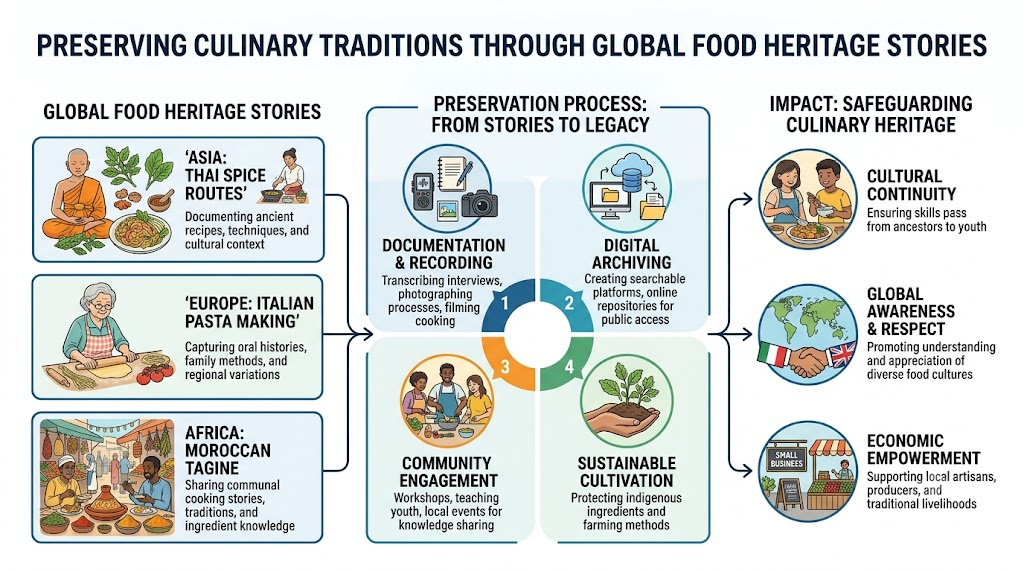
Food carries stories, memories, and cultural traditions across many generations. But many traditional recipes and old cooking methods risk being forgotten over time. BLENDZ.COM acts as a platform focused on food heritage and the preservation of global food culture. Readers will learn how food connects people with family history, local ingredients, and traditions from different parts of the world.
Understanding Food Heritage and Its Importance
Food heritage means the culinary traditions handed down through families and communities. Recipes, local ingredients, traditional cooking methods, and festival meals reflect how people lived.
These traditions deserve to be recorded and shared so future generations can understand their roots. Every dish tells a story about the land and its people.
Food Stories Connect People Across Generations
Older family members pass down recipes and cooking knowledge through spoken words and daily practice. The memories behind family meals give each dish special meaning.
Keeping these stories alive helps families stay connected to their past. A grandmother might measure ingredients by hand instead of using standard tools.
Why the World Needs a Global Food Heritage Platform
Migration and changing lifestyles can weaken old food traditions. When family records are lost, unique recipes fade from memory. A digital archive helps people discover food stories beyond their own region.
Learning about different food cultures builds curiosity and respect for communities worldwide.
Blendz as a Global Platform for Food Heritage Stories
BLENDZ.COM helps readers explore traditional recipes, forgotten dishes, rare ingredients, and grandmother’s cooking knowledge. Bringing food stories from different cultures together in one place creates a shared culinary library.
The platform focuses on traditional recipes, rare ingredients, grandmother’s cooking knowledge, festival foods, and food heritage stories. Readers can browse through regional dishes and ingredient spotlights safely and easily.
Exploring Food Traditions Around the World
Traditional dishes reflect the unique identity of different regions. For example, Litti Chokha from India features roasted wheat balls served with mashed spiced vegetables.
Injera with Shiro from Ethiopia offers a fermented teff flatbread served with chickpea stew. Mole Poblano from Mexico provides a complex sauce made with chilies, spices, and chocolate. Each dish highlights distinct local ingredients and cultural backgrounds.
The Stories Behind Traditional Recipes
A recipe means more than just a list of ingredients and cooking steps. Its origins often link to local crops, family memories, and traditional occasions.
Knowing these details helps readers understand the people and places behind a dish. Food history shows how communities adapted to their environment over centuries.
Preserving Grandmother’s Recipes and Family Food Memories
Family recipes often survive through spoken instructions and personal experience. People can record them simply by writing down ingredients and noting cooking methods.
Asking older relatives about a dish’s history keeps oral food traditions alive. These steps support the wider goal of preserving global food heritage.
Rare Ingredients and Traditional Cooking Methods
Local ingredients and older cooking methods reflect the land and climate of a region. Sattu, a protein-rich flour made from roasted chickpeas, serves as a traditional northern Indian ingredient.
Traditional techniques show how communities prepared food before modern refrigeration existed. These methods highlight resourceful ways of using local harvests.
Festival Foods and Cultural Celebrations
Special dishes mark harvests, holidays, and family gatherings around the world. Pongal celebrates the harvest in India, while Mooncakes mark the Mid-Autumn Festival in China.
Pan de Muerto honors Día de los Muertos in Mexico. Recording these food traditions helps preserve their cultural meaning for future generations.
How Readers Can Help Keep Food Heritage Alive
Readers can take simple steps to keep food heritage alive at home. Talking with older relatives about old meals helps uncover forgotten dishes.
Recording family recipes and photographing traditional dishes prevents them from fading. Learning local ingredient names also connects people more deeply with their food culture.
The Future of Global Food Heritage Stories
Digital platforms make traditional food knowledge much easier to discover and preserve. Accurate cultural context and respect for local traditions matter greatly in this work.
Online archives ensure that oral food traditions find a permanent home. BLENDZ.COM continues to document these valuable culinary histories for curious readers everywhere.
Frequently Asked Questions (FAQ)
What does food heritage mean?
Food heritage refers to the traditional recipes, ingredients, cooking methods, and festival meals passed down through families and communities over generations.
Why are food heritage stories important?
They help people understand cultural history, family roots, and the connection between local ingredients and community life.
What is BLENDZ.COM?
BLENDZ.COM is a global food heritage archive that preserves lost recipes, rare ingredients, grandmother’s cooking knowledge, and forgotten food stories.
How do traditional recipes preserve family history?
Traditional recipes carry the personal memories, migration paths, and daily practices of older family members across time.
Why are grandmother’s recipes valuable?
Grandmother’s recipes often exist only in personal memory and oral traditions, making them fragile and precious parts of culinary history.
How do festival foods reflect cultural traditions?
Festival foods mark specific seasonal events, harvests, holidays, and sacred days tied to a community’s beliefs and local agriculture.
How can people preserve their family food stories?
People can record family recipes by writing down ingredients, noting preparation methods, and asking older relatives about the history of each dish.
How does BLENDZ.COM help readers explore global food heritage?
The platform gathers traditional recipes, rare ingredients, country indexes, and food heritage stories from various cultures into one accessible archive.
Conclusion
Food heritage connects culture, memory, family, and history into a shared human experience. BLENDZ.COM gives readers a place to explore traditional recipes and food stories from different cultures. Visitors can easily discover the stories behind the food people share around the world.
