Introduction
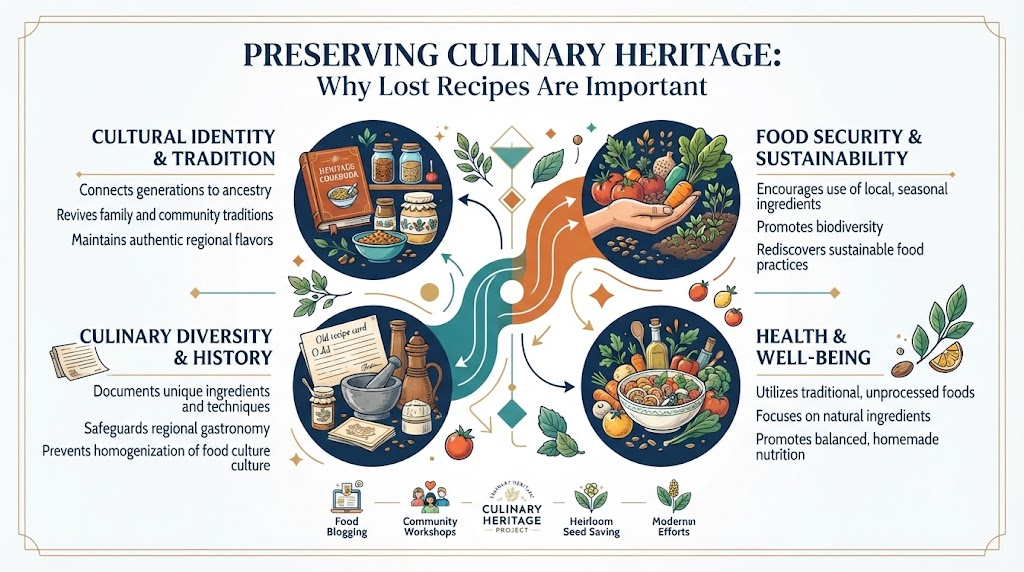
Recipes are more than simple instructions for cooking. They carry memories, traditions, and local stories from the past. When people stop cooking or sharing old dishes, valuable knowledge disappears. Preserving these forgotten meals helps connect younger generations with their roots.
At BLENDZ.COM, exploring food culture means looking back at traditional methods to understand where our meals come from. This article explores why lost recipes matter and how we can save them.
Understanding Lost Recipes
A recipe becomes lost when people stop preparing it. Many family dishes were never written down on paper. Instead, older relatives shared them through spoken words and hands-on practice. Traditional meals also fade away when lifestyles change.
Regional recipes often become less common as urban living grows. Cooking methods that require rare tools or long hours are easily forgotten. For example, a grandparent’s special festive dish might vanish if no one learns how to make it.
Old family pickle recipes or traditional breads made using local methods also face this risk. A recipe can survive in family memories even when its written version no longer exists. Remembering a taste or a smell keeps the dish alive in spirit.
The Connection Between Food and Family Memories
Food has a unique power to preserve personal memories. Familiar tastes and smells can instantly remind people of their childhood homes. Meals prepared during celebrations often mark important milestones in family life.
Cooking lessons passed from older relatives create deep emotional bonds. When younger family members learn a dish, they also absorb the stories behind it. These shared moments build a bridge between generations.
Preserving family recipes helps future generations understand their family history. Food acts as a living archive of personal relationships. Every time a traditional meal is prepared, old memories return to the table.
Protecting Cultural Identity Through Traditional Recipes
Traditional food reflects a community’s history and environment. It shows how people used available resources to feed their families. Regional ingredients, local farming, and seasonal foods shape these unique dishes.
Religious and community celebrations often feature specific foods that mark cultural identity. These recipes help younger people understand their heritage without relying on broad stereotypes. Every culture has diverse culinary practices that vary from town to town.
Documenting these dishes ensures that cultural nuances are not lost. Food heritage gives communities a sense of belonging and shared history. It celebrates local identity through everyday flavors.
Preserving Knowledge Passed Down Through Generations
Traditional recipes hide a wealth of practical cooking knowledge. Ingredient lists alone cannot capture the skills required for old dishes. Experienced cooks know how dough feels when it is kneaded enough.
They know when spices are properly roasted just by their aroma. They judge heat levels without using modern thermometers. Adjusting a dish based on seasonal ingredients is another vital skill.
Recording cooking demonstrations and writing down family tips preserves this wisdom. Younger cooks benefit greatly from learning these hands-on techniques. Practical knowledge keeps cooking intuitive and connected to nature.
Why Traditional Recipes Disappear
Recipes often become forgotten due to changing lifestyles and migration. People today have less time for long, slow cooking methods. The loss of older family members can also break the chain of transmission.
Urban living often makes it hard to find traditional ingredients. Modern food habits lean toward convenience and pre-packaged meals. When families stop preparing certain dishes, younger generations lose access to that knowledge.
This shift happens naturally over time and is part of changing times. Blaming modern habits does not help save old recipes. Instead, understanding these challenges makes it easier to document traditional food before it fades.
The Role of Local Ingredients and Seasonal Cooking
Older recipes reflect the exact ingredients available in a specific region. Local grains, vegetables, and wild herbs give these dishes their character. Traditional methods of storing and preserving food were essential before modern refrigeration.
These recipes show how past communities adapted to local climate conditions. Not all traditional foods are healthier or more sustainable than modern options. However, they offer a clear window into historical eating habits.
Exploring seasonal cooking teaches us to respect natural food cycles. Local ingredients connect every meal to the surrounding landscape. BLENDZ.COM frequently highlights how regional ingredients shape unique culinary traditions.
Lost Recipes as a Link to Food History
Recipes offer valuable clues about trade, migration, and agriculture. When people move to new places, their cooking habits change. They adapt old recipes to fit new ingredients and kitchen tools.
Family recipes contribute to a broader understanding of food history. However, one single recipe does not prove an entire historical account. Documented history must be separated from family legends and oral traditions.
Examining old recipes helps historians trace cultural exchanges over centuries. Food history is a shared human story written in flavors and techniques. Every saved recipe adds a missing piece to this global puzzle.
The Importance of Preserving Regional and Community Foods
Lesser-known regional dishes deserve as much attention as popular foods. Small communities and rural households hold unique culinary knowledge. Older cooks in remote areas often practice rare cooking techniques.
Documenting regional names and local preparation methods protects culinary diversity. This documentation prevents unique food cultures from blending into a single, uniform style. Respecting local variations honors the specific communities that created them.
Preserving these foods requires listening to local elders and food historians. Their stories give context to dishes that might otherwise seem ordinary. Every region has a distinct flavor profile worth remembering.
How Lost Recipes Can Inspire Modern Cooking
Home cooks can adapt traditional recipes for modern kitchens. Ingredient substitutions make old dishes easier to prepare today. Modern cooking equipment can speed up time-consuming tasks without ruining the flavor.
Adjusting portion sizes also helps fit traditional meals into smaller households. Recording both the original recipe and modern updates is very useful. It is important to know the difference between a strict preservation and a new creative variation.
Both approaches add value to our culinary landscape. Blending old flavors with modern convenience keeps traditional food relevant. Innovation and tradition can work together in harmony.
The Role of Younger Generations in Saving Recipes
Children and young adults play a vital part in saving food traditions. Learning from grandparents creates a bridge across age gaps. Recording cooking demonstrations helps preserve visual and auditory details.
Asking questions about ingredient choices reveals the reasoning behind old methods. Writing family recipe books turns casual cooking into a structured archive. Preparing traditional dishes together makes heritage feel fun rather than a chore.
Sharing food stories engages younger minds and builds lasting respect. Always ask permission before recording or publishing family recipes. Respecting personal boundaries ensures that sharing remains a joyful experience.
Reasons Lost Recipes Matter for Future Generations
| Area | Why It Matters | Value for the Future |
| Family Memories | Preserves personal stories and emotional bonds. | Keeps older relatives close to future generations. |
| Cultural Identity | Reflects local history and community roots. | Protects diverse heritage from fading away. |
| Cooking Skills | Teaches intuitive methods and sensory cues. | Builds practical kitchen confidence. |
| Food History | Offers clues about past trade and migration. | Enhances our understanding of global food culture. |
| Regional Ingredients | Highlights local farming and seasonal eating. | Promotes sustainable and connected food habits. |
Practical Ways to Preserve Lost Recipes
Saving recipes before they disappear takes simple, consistent effort. Interviewing family members is the best place to start. Writing down precise ingredients and measurements prevents guesswork later.
Recording cooking steps on video captures important physical techniques. Photographing ingredients and finished dishes adds visual clarity. Noting regional names and saving old handwritten cards creates a rich archive.
Digital backups ensure these records stay safe over time. Always document the source of each recipe carefully. Distinguish between verified facts and remembered family details.
Sharing Recipes Beyond the Family
Preserving recipes goes beyond individual family notebooks. Community cookbooks help gather local dishes in one place. Cultural events and local food projects raise awareness about regional cuisines.
Digital archives make traditional recipes accessible to a wider audience. When sharing online, accurate attribution and cultural context matter deeply. Working with community elders ensures that stories are told correctly.
Publishing a recipe online does not automatically preserve its meaning. The cultural context and personal stories must travel with the recipe. BLENDZ.COM supports thoughtful sharing that respects the roots of every dish.
Challenges in Preserving Traditional Recipes
Preserving old recipes comes with several practical challenges. Unclear measurements and forgotten ingredients are very common. Different family members often remember the same dish in contrasting ways.
Comparing memories and testing recipes carefully helps resolve these differences. Traditional recipes change naturally over time, and no single version is always correct. Food safety is another critical concern with old preservation methods.
Old recipes involving fermentation or pickling need careful review. Modern food safety guidelines should always guide these techniques. Relying on safe practices protects home cooks while honoring tradition.
Practical Ways to Preserve Traditional Recipes
| Preservation Method | What to Record | How It Helps Protect the Recipe |
| Family Interviews | Ingredient tips, origin stories, and memories. | Captures the emotional context behind the dish. |
| Cooking Videos | Hand movements, texture cues, and heat levels. | Preserves practical skills missing from text. |
| Written Archives | Exact measurements, steps, and source names. | Prevents loss of details over time. |
| Digital Backups | Scanned recipe cards and photo albums. | Protects physical records from damage or loss. |
| Community Cookbooks | Regional variations and local food history. | Keeps broader cultural food traditions alive. |
A Practical Checklist for Saving a Family Recipe
Using a structured checklist makes documenting old recipes much easier. Gather these key details during your next family cooking session:
- Recipe Name: The common name and any regional titles.
- Source: The name of the person who shared the recipe.
- Background: Cultural or regional background if known.
- Ingredients: A complete list of all required items.
- Measurements: Amounts used by the original cook.
- Cooking Steps: Clear instructions in chronological order.
- Cooking Time: Estimated preparation and cooking duration.
- Texture Cues: Visual and physical signs of readiness.
- Photographs: Pictures of ingredients and the final dish.
- Family Stories: Memories and notes associated with the meal.
- Variations: Alternative ingredients used over time.
- Food Safety Notes: Safe handling tips for old techniques.
- Backup Copies: Digital or physical duplicate records.
Frequently Asked Questions
What is considered a lost recipe?
A lost recipe is a traditional or family dish that people no longer prepare, and for which written instructions no longer exist.
Why is it important to preserve traditional recipes?
Preserving traditional recipes protects family memories, cultural heritage, and practical cooking knowledge for future generations.
How do family recipes connect generations?
Family recipes connect generations by passing down shared flavors, personal stories, and hands-on cooking traditions from older relatives to younger ones.
Why do traditional recipes disappear?
Traditional recipes often disappear due to changing lifestyles, migration, urban living, and the lack of written records in families.
How can I record a recipe from an older family member?
You can record a recipe by interviewing family members, writing down measurements, recording videos, and noting important texture cues.
What details should I include in a family recipe book?
A family recipe book should include ingredients, measurements, step-by-step instructions, cooking times, source names, and personal family stories.
Can traditional recipes be adapted for modern kitchens?
Yes, traditional recipes can be adapted using modern equipment, ingredient substitutions, and adjusted portion sizes to fit current lifestyles.
How can communities preserve regional food traditions?
Communities can preserve regional food traditions through local cookbooks, cultural events, digital archives, and working closely with local elders.
Why are traditional ingredients important in old recipes?
Traditional ingredients reflect the local agriculture, climate, and seasonal availability that shaped a specific region’s food culture.
How can children and young adults help preserve family recipes?
Young people can help by cooking with older relatives, recording recipe demonstrations, asking questions, and creating digital family cookbooks.
Final Thought
Preserving lost recipes protects family memory and cultural identity while connecting us directly to food history and practical local knowledge. Future generations benefit immensely from having access to both written instructions and rich personal stories. Valuing food heritage does not mean rejecting modern cooking styles; rather, it means keeping valuable knowledge available so people can learn, adapt, and continue traditions with open minds. Every saved recipe is a lasting gift that enriches our daily meals and preserves our shared human story.
